|
VALUE
AVERAGING - THE STRATEGY FOR HIGHER
INVESTMENT RETURNS
Overview
Value
averaging is a formula
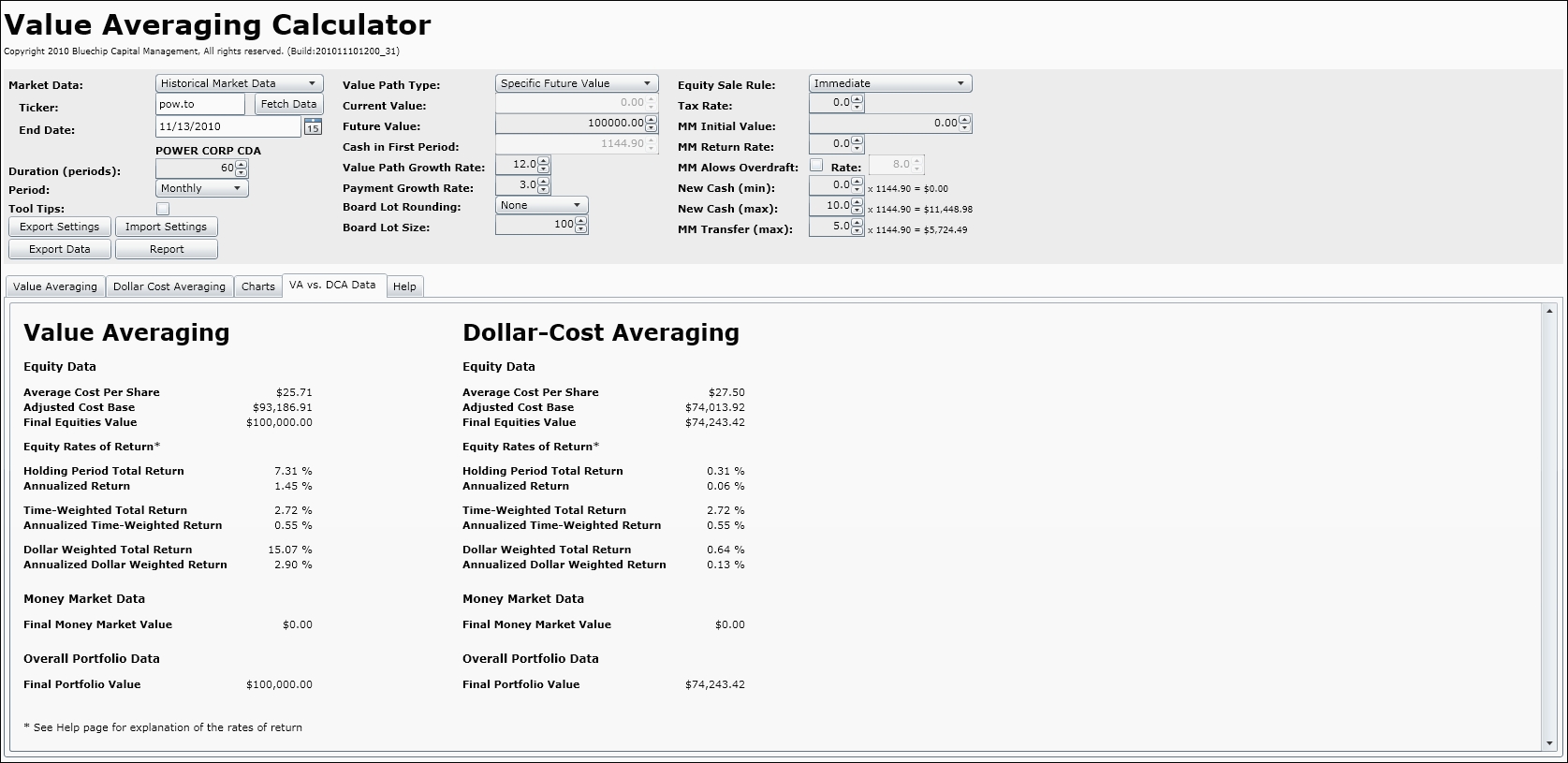
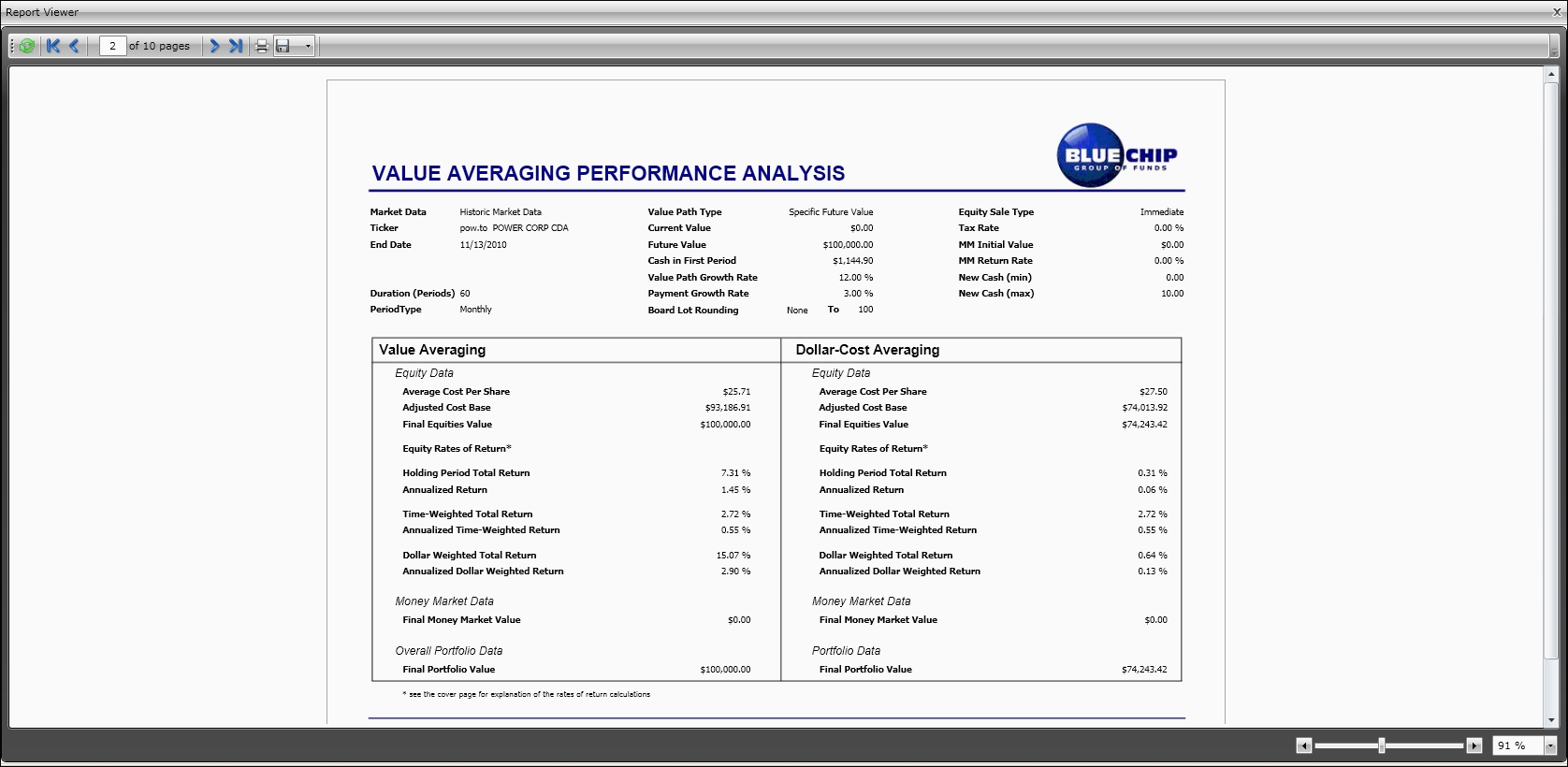
investment strategy which has be shown to achieve lower average costs
and higher rates of return than alternative strategies.
The
power of the Value Averaging method derives
from its marriage of two proven but separate techniques: Dollar Cost Averaging
and Portfolio
Rebalancing.
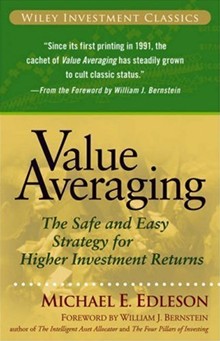
Value Averaging is not new as it was first researched and written about
in 1988 by then Harvard Professor Dr.
Michael Edleson. By considering a portfolio’s
expected rate of return (something that the "Dollar-Cost Averaging"
method neglects), the "Value Averaging" method helps
to identify periods of over and underperformance. In his own words, Edleson
defines the value averaging concept as: "... make the value not
the market price of your stock go up by a fixed
amount each month."
The
mathematical imperative of
Dollar Cost Averaging (DCA), the time honored purchase of equal
periodic amounts of stock or mutual funds, forces investors to buy more
shares when prices are low than when they are high, increasing overall
returns, on average. Rebalancing, on the other hand, is most often
applied to mature portfolios and mandates the periodic adjustment of
portfolio allocations back to a set policy, forcing a strong policy of “buy low / sell high”
discipline into an investors trading decision making.
The
genius of VA lies in the combination of the two
techniques, VA and DCA, into the accumulation phase of a portfolio. Not
only are more shares bought when prices are low and fewer shares when
prices are high, as with DCA, but more money is deployed into stocks
when prices are low and less when prices are high producing yet more
salutary long term results. VA is particularly
valuable during times
of high volatility and has
shown to produce better results over time
than the old "dollar-cost averaging" method.
Value
Averaging is a simple proven investment
method that savvy investors can chose to adopt as part of a
well-rounded financial plan. We believe that it
is a strategy that works regardless of the economic times
and it allows investors to feel comfort knowing that there is a high
probability that their capital accumulation needs will be met. While
past out-performance is no guarantee of future out-performance,
investors and financial advisors should consider implementing the Value
Averaging strategy since the
probability of achieving the target value for a portfolio is very high
and hence ideal for
financial / retirement planning. The financial
services industry would also benefit from this technique enabling them
to offer a research based "sell" as well as their plentiful "buy"
signals.
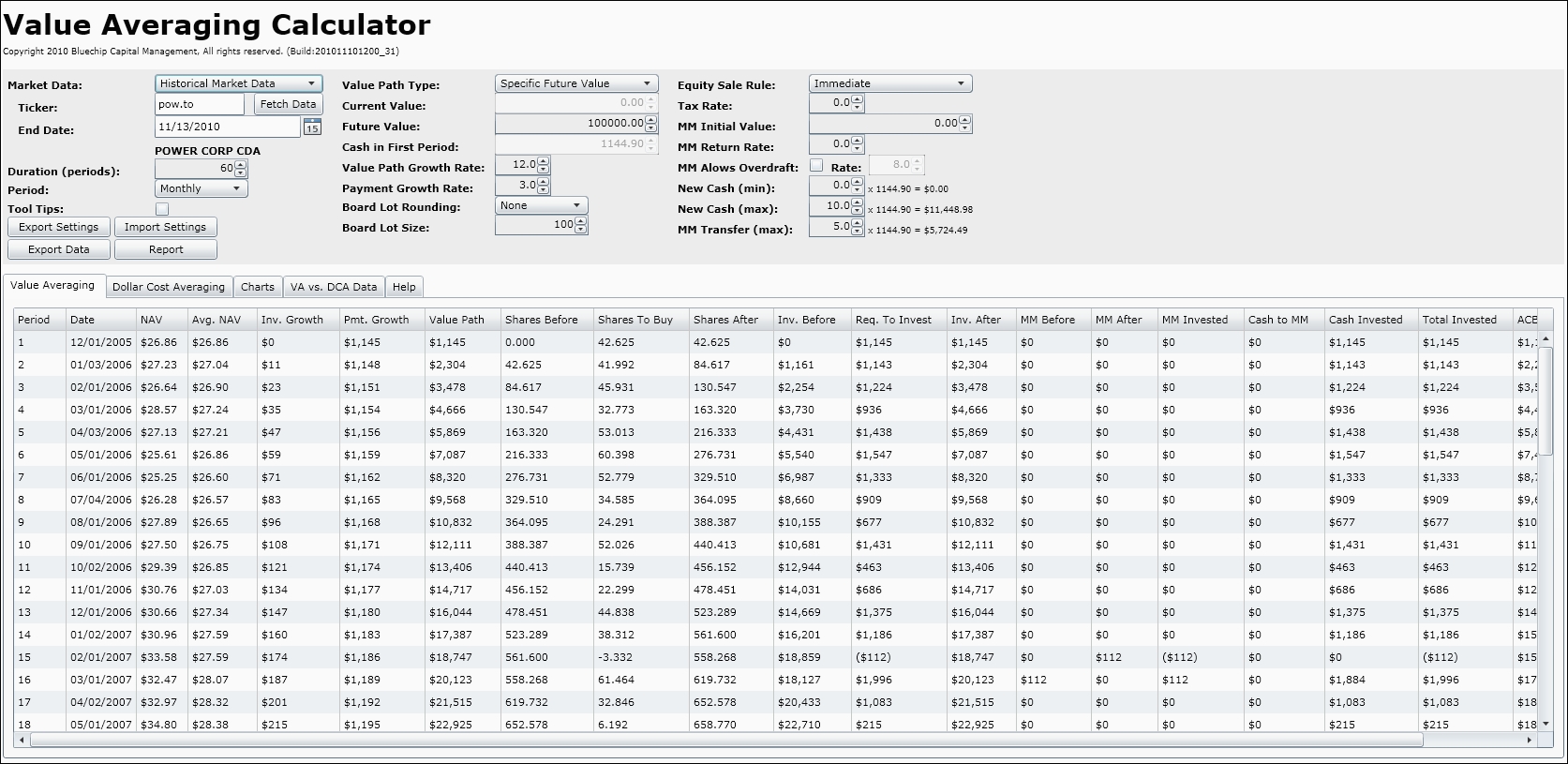
At VA Investment Software,
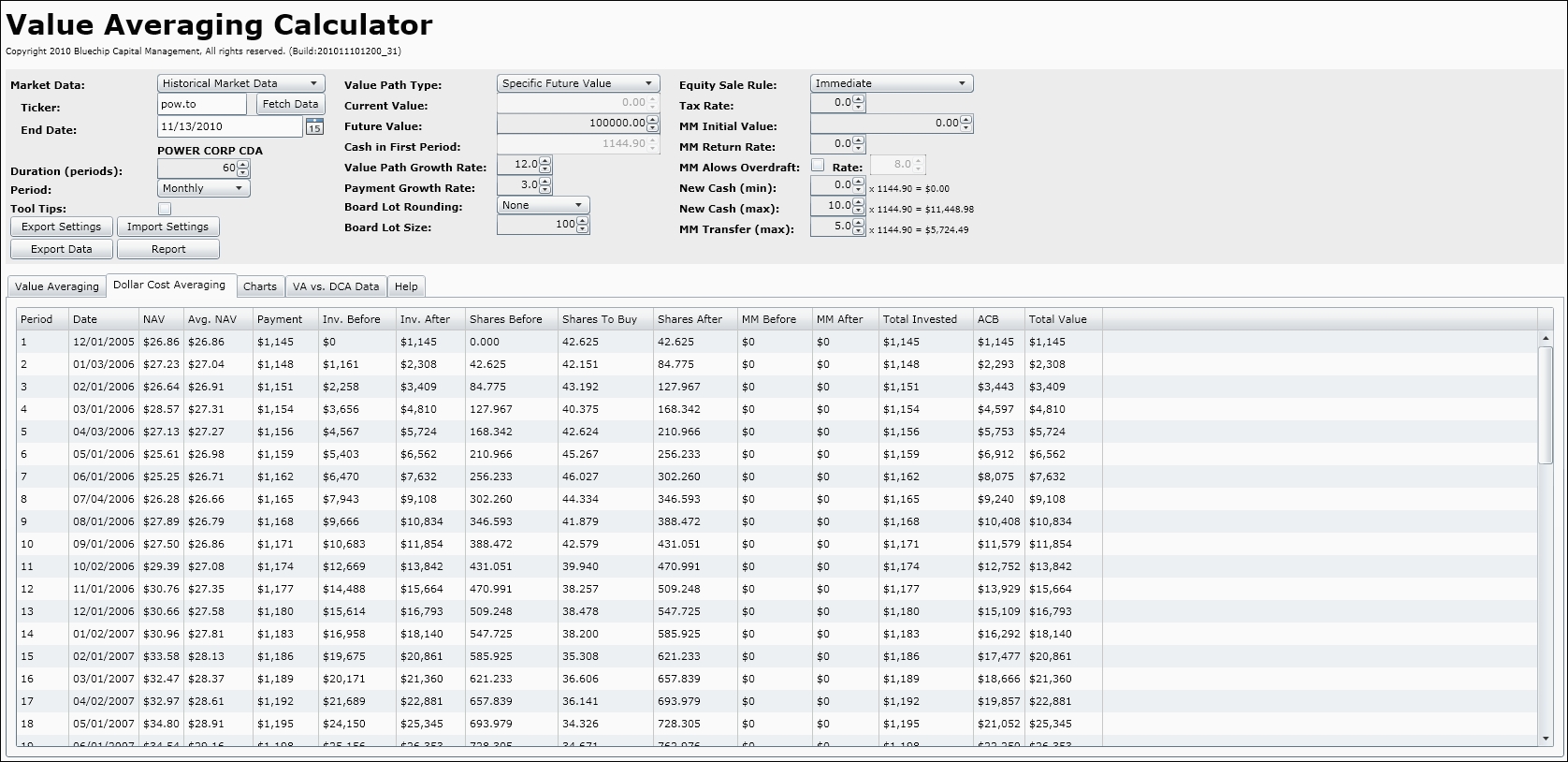
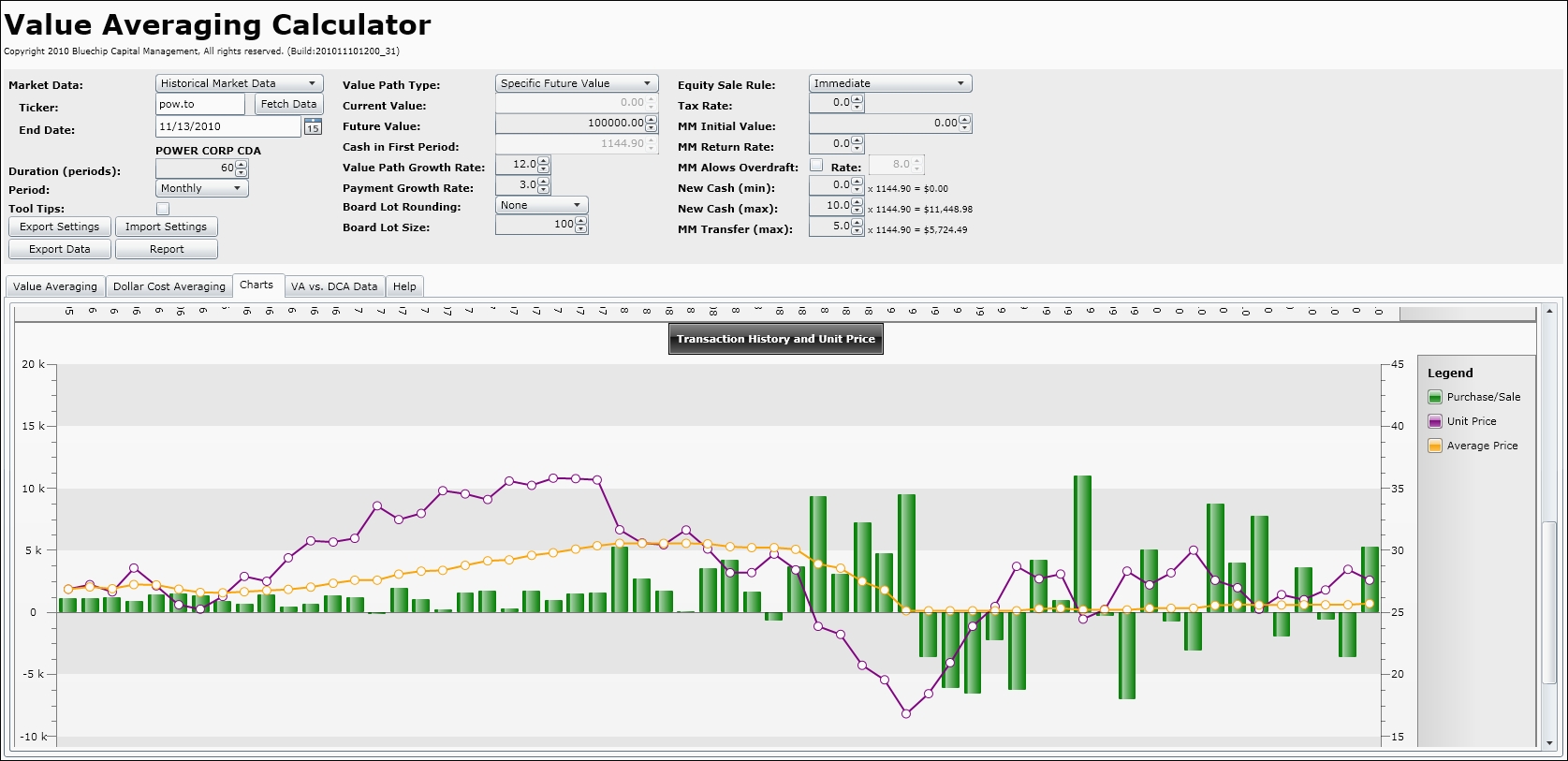
we have developed a web-based calculation / analysis engine that allows
us to back-test the Value
Averaging (VA) investment strategy, over any
time frame, using historical data from any Stock, ETF or mutual fund.
The
Value Averaging Software is now available for
license
to financial services companies such as stock brokerage firms and
mutual fund companies.
Brokerage
firms or mutual fund
companies are invited to
Contact Bruce Ramsey for a DEMO
of this amazing software
at
905-901-3063 or 716-304-8483
|